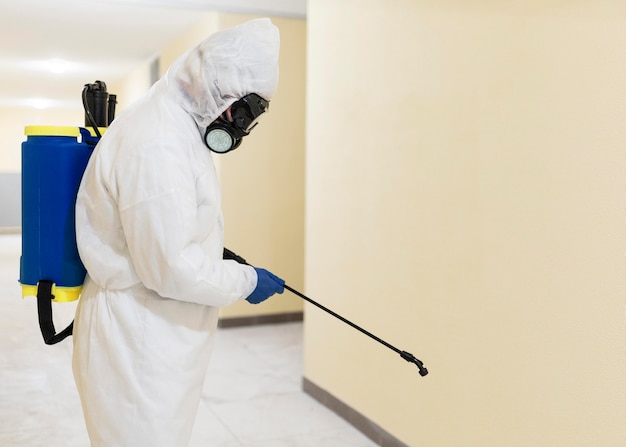
Mosquitoes are not only a nuisance but also pose significant health risks as carriers of diseases such as malaria, dengue fever, and Zika virus. Traditional mosquito control methods often rely on chemical insecticides, which can harm the environment and non-target organisms. As awareness of environmental impact increases, there’s a growing interest in eco-friendly mosquito control solutions. This article explores sustainable strategies that effectively manage mosquito populations while minimizing ecological harm.
Understanding Eco-Friendly Mosquito Control
Eco-friendly mosquito control focuses on reducing mosquito populations through environmentally sustainable practices. These methods aim to disrupt the mosquito lifecycle without using toxic chemicals, protecting both human health and biodiversity. Read more about this topic.
Biological Control Methods
Biological control involves using natural predators or pathogens to manage mosquito populations. This approach leverages the ecological relationships within the environment. Key methods include:
- Introducing Predatory Species: Fish, such as guppies and mosquito fish, can be introduced into water bodies to consume mosquito larvae.
- Microbial Larvicides: Bacteria such as Bacillus thuringiensis israelensis (Bti) specifically target mosquito larvae without affecting other wildlife.
- Insect Growth Regulators: Compounds that disrupt mosquito development, preventing larvae from maturing into adults.
Learn more in this detailed guide about how these methods are applied in different environments.
Habitat Management and Source Reduction
Eliminating Breeding Grounds
Mosquitoes require standing water to breed. Therefore, reducing potential breeding sites is crucial in controlling their populations. Effective strategies include:
- Regularly emptying and cleaning containers that collect water, such as flower pots, bird baths, and gutters.
- Filling or draining stagnant water bodies where practical.
- Improving drainage systems to prevent water accumulation.
Natural Repellents and Barriers
Utilizing natural repellents and physical barriers can deter mosquitoes without harming the environment. Options include:
- Plant-Based Repellents: Essential oils such as citronella, eucalyptus, and lavender can be effective mosquito deterrents.
- Physical Barriers: Installing mosquito nets and screens over windows and doors can prevent mosquitoes from entering homes.
Explore further insights here on natural repellents and their effectiveness.
Community and Personal Actions
Community involvement and personal actions play a significant role in sustainable mosquito control. By working together, communities can implement large-scale control measures such as:
- Organizing community clean-up events to remove potential breeding sites.
- Educating the public on the importance of mosquito control and preventive measures.
- Encouraging local governance to implement eco-friendly policies for mosquito management.
Individuals can also contribute by taking personal precautions, such as wearing protective clothing and using mosquito repellents when necessary. Find additional information here about community strategies.
The Future of Eco-Friendly Mosquito Control
As research progresses, innovative solutions continue to emerge in the field of eco-friendly mosquito control. These include genetic modifications, such as releasing sterile male mosquitoes to reduce populations, and advancements in biodegradable insecticides. Continued investment in sustainable technologies and community education is essential for effective, long-term mosquito management.
Eco-friendly mosquito control solutions not only safeguard human health but also contribute to preserving ecological balance. By adopting these practices, we can ensure a healthier environment for future generations. Learn more in this detailed guide about ongoing research and innovations in this field.

