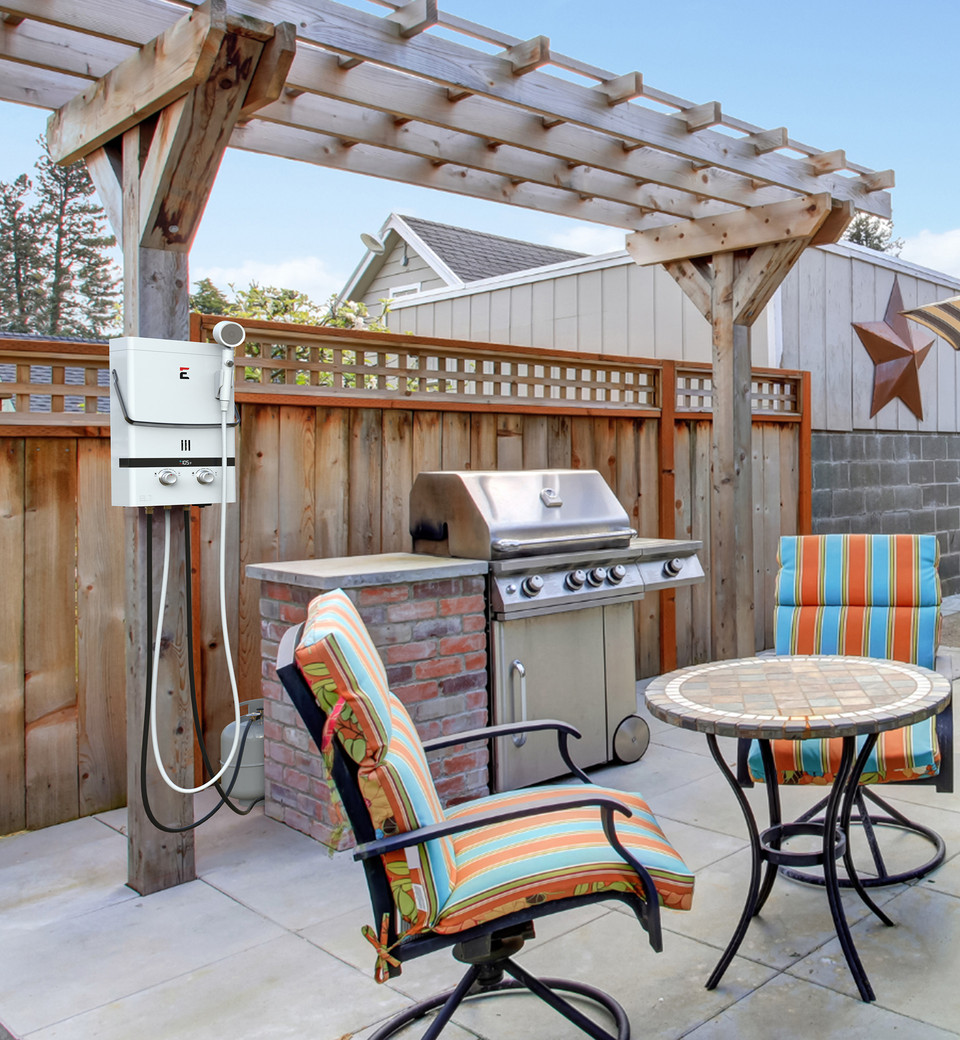
Choosing the right portable water heater can significantly enhance your outdoor adventures and provide comfort in remote locations. Whether it’s for a camping trip, a road trip, or use in an off-grid cabin, a portable water heater ensures access to warm water wherever you are. The market offers a wide variety of options, making the decision process challenging. This guide aims to simplify the selection process by highlighting key considerations and features to look for in a portable water heater.
Understanding Your Needs
The first step in choosing a portable water heater is understanding your specific needs and environment where the heater will be used. Consider the following:
- Usage Frequency: Will the heater be used occasionally or on a regular basis?
- Location: Is it for camping trips, RVs, cabins, or emergency use at home?
- Water Source: Will you have access to a consistent water supply, or will it be limited?
- Power Source: Consider whether you will have electricity, gas, or battery power available.
Key Features to Consider
Portability and Size
One of the most crucial aspects is the heater’s portability. Ensure the unit is compact and lightweight, making it easy to transport and store. Look for models that come with carrying handles or storage bags for added convenience.
Heating Capacity
Assess the heater’s capacity to ensure it meets your requirements. Portable water heaters vary in their flow rates, typically measured in gallons per minute (GPM). For a camping shower, a flow rate of 1.5 GPM might be sufficient, but for larger groups or more demanding uses, a higher capacity unit may be necessary.
Power Source
Depending on your location and available resources, you may choose from electric, propane, or battery-powered units:
- Electric: Ideal for locations with reliable electricity, offering ease of use.
- Propane: Suitable for remote areas where electricity is unavailable. Ensure you have a safe and adequate propane supply.
- Battery-powered: Offers flexibility in off-grid locations but requires careful battery management.
Safety Features
Safety is paramount, especially when dealing with gas-powered units. Look for heaters with automatic shut-off features that activate in case of overheating or if the heater tips over. A flame failure device is also essential for gas models to prevent gas leaks.
Ease of Use and Installation
For an enjoyable experience, the water heater should be easy to set up and operate. Consider the following:
- Simple Controls: Look for intuitive interfaces with clearly marked controls for temperature adjustment and other settings.
- Quick Setup: Ensure the model comes with clear instructions and requires minimal tools for assembly and installation.
Durability and Maintenance
Investing in a durable model ensures long-term use. Look for units made with high-quality materials, resistant to corrosion and wear. Regular maintenance is necessary to keep the heater in good condition, so consider models with easy access to parts that might require cleaning or replacement.
Conclusion
Choosing the perfect portable water heater involves balancing various factors, from portability and power source to safety and ease of use. By considering these elements and understanding your specific needs, you can select a heater that provides reliable and efficient service, enhancing your outdoor experiences and ensuring comfort wherever you are.
