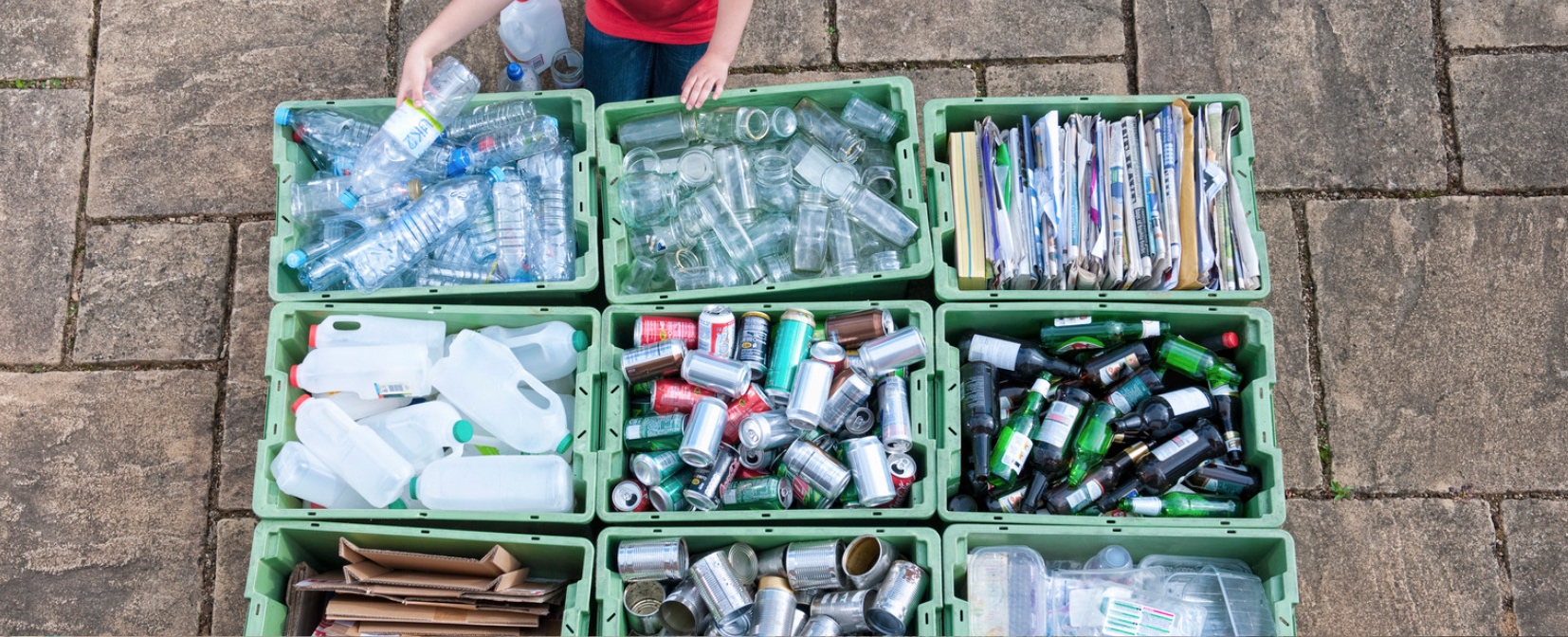
Composting is an age-old practice that has gained renewed attention in recent years due to its environmental benefits and its role in sustainable waste management. The process involves the natural decomposition of organic waste, transforming it into nutrient-rich soil amendment. This practice not only reduces the amount of waste sent to landfills but also enriches the soil, improves plant health, and contributes to a more sustainable ecosystem. As urban areas grow and waste production increases, the importance of composting as a method of garbage disposal cannot be overstated.
The Environmental Benefits of Composting
Composting plays a crucial role in minimizing the negative impact of waste on the environment. By diverting organic waste from landfills, composting helps reduce methane emissions, a potent greenhouse gas. Here are some key environmental benefits:
- Reduces landfill waste, thereby decreasing pollution.
- Enriches soil, promoting healthy plant growth and reducing the need for chemical fertilizers.
- Helps retain soil moisture, reducing the need for irrigation.
- Encourages biodiversity by supporting beneficial soil organisms.
To deepen your understanding of composting’s environmental impact, you can discover expert strategies here.
How Composting Promotes Sustainable Living
Incorporating composting into daily life is a significant step toward sustainable living. It enables individuals and communities to manage their waste more efficiently and responsibly. Here are some ways composting supports sustainability:
- Reduces the carbon footprint by minimizing waste transportation and processing.
- Transforms waste into a valuable resource, creating a circular economy.
- Encourages community involvement and awareness about waste management.
For those interested in integrating composting into their waste management practices, learn about our tailored solutions to facilitate this transition.
Implementing Composting Practices
Choosing the Right Composting Method
Selecting the appropriate composting method is essential for achieving the best results. The choice depends on factors such as the volume of waste, available space, and the desired speed of composting. Methods include:
- Backyard Composting: Ideal for households with garden space. It involves creating a compost pile or bin where organic materials are layered and mixed.
- Vermicomposting: Utilizes worms to break down organic waste, suitable for indoor or small-space composting.
- Tumbler Composting: Uses a rotating drum to facilitate aeration, speeding up the composting process.
For more detailed guidance, explore advanced guides and tips on selecting and implementing the right composting strategy.
Common Challenges and Solutions
While composting offers numerous benefits, it may also present challenges, particularly for beginners. Common issues include:
- Odor: Prevented by maintaining a proper balance of green and brown materials and ensuring adequate aeration.
- Pests: Avoided by covering food scraps and maintaining a closed compost system.
- Slow decomposition: Accelerated by regularly turning the compost and ensuring proper moisture levels.
To overcome these challenges and optimize your composting efforts, find out more about this approach.
Conclusion
Composting is an invaluable practice that not only contributes to waste reduction but also enhances soil quality and promotes environmental sustainability. By understanding the benefits and implementing effective composting methods, individuals and communities can play a significant role in fostering a healthier planet. As the demand for sustainable waste management solutions continues to grow, embracing composting practices becomes an essential component of a comprehensive approach to reducing waste and promoting ecological balance.
