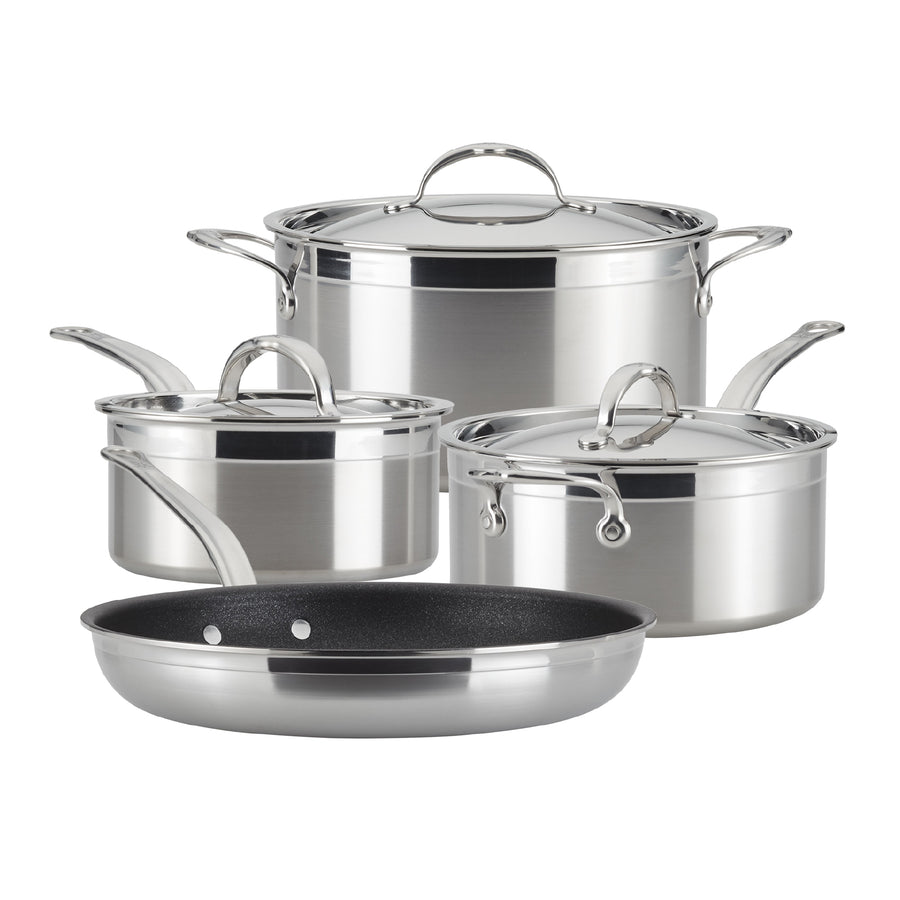
Stainless clad frying pans have become a staple in the kitchens of both professional chefs and home cooks alike. Known for their durability, even heat distribution, and versatility, these pans are often considered an investment piece. But with so many options available, how does one choose the right stainless clad frying pan? This guide delves into the key features, benefits, and considerations to keep in mind when selecting the perfect pan for your culinary needs.
Understanding Stainless Clad Construction
Stainless clad refers to the layering of different metals to achieve a balance of advantages. Typically, these pans feature a core of aluminum or copper sandwiched between layers of stainless steel.
- Aluminum Core: Known for excellent heat conductivity, allowing for even cooking.
- Copper Core: Offers superior thermal regulation but is often more costly.
- Stainless Steel Exterior: Provides durability and resistance to rust and corrosion.
By understanding the construction of stainless clad pans, cooks can make informed decisions based on their cooking preferences. Explore advanced guides and tips on choosing the right core material for your kitchen.
Benefits of Stainless Clad Frying Pans
Choosing a stainless clad frying pan offers numerous advantages that enhance the cooking experience.
- Durability: The stainless steel surface resists warping and scratching, ensuring longevity.
- Heat Distribution: The layered construction provides even heat across the cooking surface, reducing hot spots.
- Versatility: Suitable for all types of cooking surfaces, including induction.
- Easy Maintenance: Stainless steel is easy to clean and often dishwasher safe.
For those looking to maximize these benefits in their cookware, find out more about this approach to stainless clad pans.
Key Considerations When Buying
When selecting a stainless clad frying pan, several factors should be taken into account to ensure you make the best choice for your cooking needs.
Size and Shape
Consider the size that best fits your cooking habits. Frying pans typically range from 8 inches to 14 inches in diameter.
- Smaller Pans: Ideal for single servings or small dishes.
- Larger Pans: Suitable for family meals and larger batches.
The shape can also affect cooking efficiency. Look for pans with flared sides for easy flipping and saut?ing.
Handle Design
The handle should provide a comfortable grip and be securely attached to avoid accidents.
- Stay-Cool Handles: Often preferred for safety and comfort.
- Riveted Handles: Provide a sturdy connection, enhancing durability.
Discover expert strategies here for selecting handle designs that align with your cooking style.
Weight and Balance
The weight of the pan can influence its usability. Heavier pans offer stability, while lighter pans are easier to maneuver.
- Heavier Pans: Ensure better heat retention.
- Lighter Pans: Easier to handle, especially for saut?ing.
Consider your strength and cooking preferences when evaluating the weight and balance of a pan. Learn about our tailored solutions to find a pan that fits your needs.
Conclusion
Stainless clad frying pans offer a blend of durability, versatility, and efficient cooking performance. By understanding the construction, benefits, and key considerations, cooks can select the ideal pan for their kitchen. For those seeking further guidance, explore advanced guides and tips to enhance your culinary experience.
