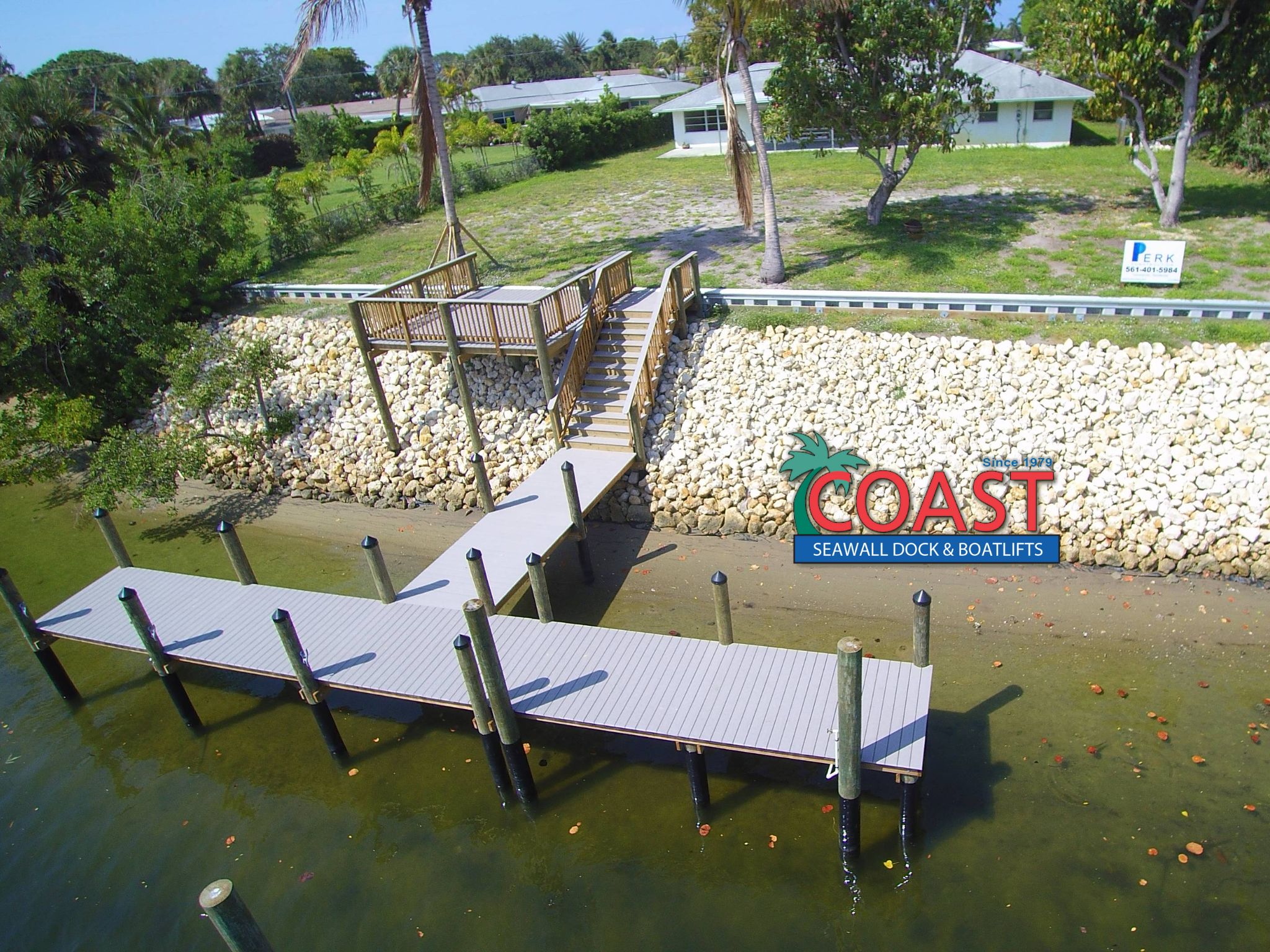
Constructing a resilient revetment wall is essential to protect coastal and riverbank areas from erosion and flood damage. These structures are designed to absorb and deflect the energy of incoming water, providing a robust barrier against natural forces. This guide offers insights into the construction process, materials selection, and maintenance strategies necessary for building a durable revetment wall. Understanding and implementing these strategies ensures the longevity and effectiveness of the wall, contributing to sustainable shoreline management.
Understanding Revetment Walls
Revetment walls are sloped structures placed on banks or shorelines to prevent erosion by armoring the surface. These walls are typically made from durable materials such as stone, concrete, or geotextile fabrics that can withstand harsh environmental conditions. By diverting wave energy, they protect the underlying soil and reduce the risk of erosion.
Material Selection
Choosing the right materials is crucial for constructing a revetment wall that can withstand the test of time. Consider the following options:
- Natural Stone: Offers aesthetic appeal and durability. Ideal for areas with high wave action due to its weight and stability.
- Concrete Blocks: Provides a uniform and sturdy structure. Suitable for regions requiring precise engineering specifications.
- Geotextiles: Used as a base layer to enhance soil stability and support drainage.
For a comprehensive understanding of material properties and selection criteria, discover expert strategies here.
Construction Process
Building a revetment wall involves several critical stages that ensure its effectiveness and durability. Proper execution at each stage is necessary to achieve the desired protection level.
Site Assessment and Preparation
Before construction begins, a thorough site assessment is essential. This includes:
- Evaluating soil composition and stability.
- Analyzing wave patterns and water levels.
- Determining environmental impact and compliance with local regulations.
These factors guide the design and materials selection, ensuring the wall’s resilience. Learn about our tailored solutions for site-specific assessments.
Foundation and Installation
A solid foundation is crucial for the stability of a revetment wall. The installation process generally includes:
- Excavating the site to the required depth and gradient.
- Installing a base layer of geotextile fabric for added stability.
- Layering materials such as stone or concrete blocks, ensuring proper alignment and compaction.
Each layer should be carefully placed to maximize interlocking and reduce gaps, which can compromise the wall’s integrity. Explore advanced guides and tips for effective installation techniques.
Maintenance and Longevity
Regular maintenance is key to prolonging the life of a revetment wall. This includes:
- Routine inspections for signs of erosion or material displacement.
- Prompt repairs of any damaged sections to prevent further deterioration.
- Clearing debris and vegetation that may obstruct drainage or compromise the wall’s structure.
Implementing a proactive maintenance plan ensures the wall continues to perform effectively. Find out more about this approach to maintaining revetment walls.
In summary, constructing a resilient revetment wall requires careful planning, the right materials, and ongoing maintenance. By understanding the unique challenges of each site and tailoring the construction process accordingly, these structures can provide long-term protection against the forces of nature. For those seeking to embark on such projects, leveraging expert knowledge and advanced strategies is crucial for success.
