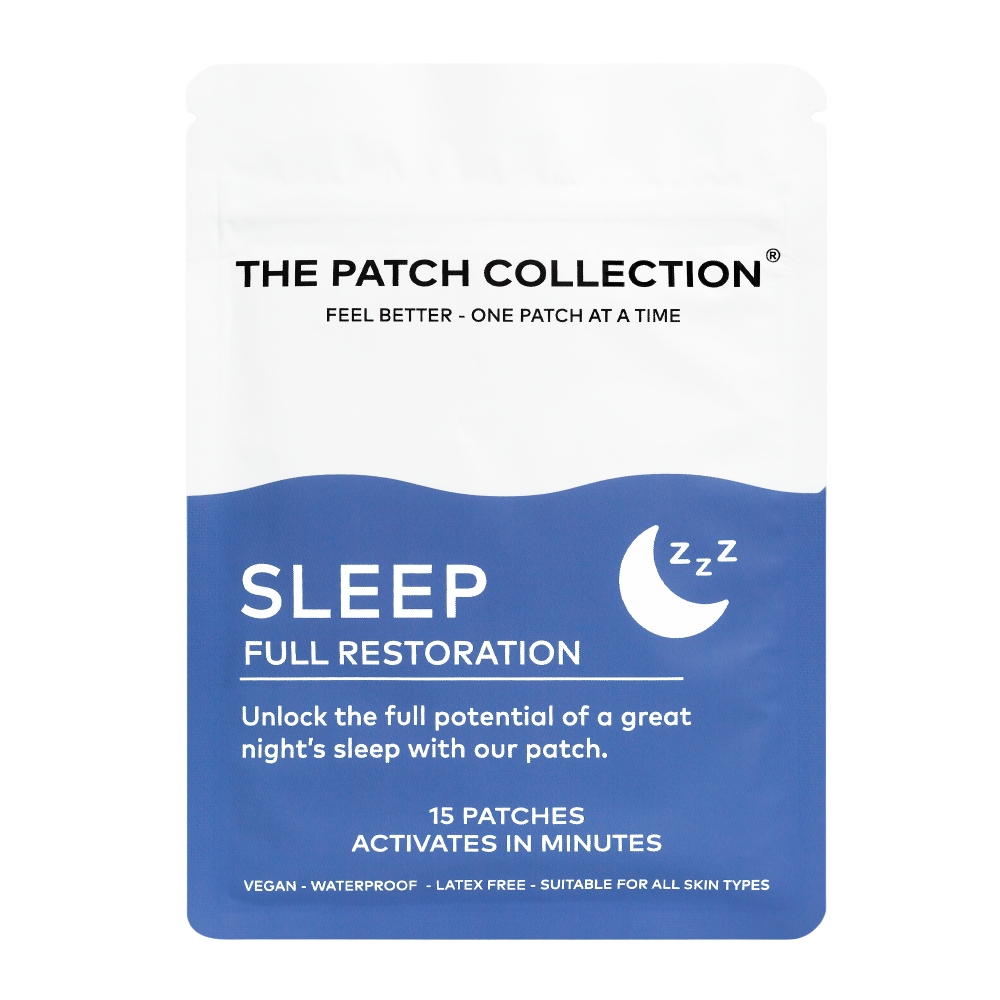
Modern life has amplified the challenge of achieving restorative sleep. While traditional aids such as pills, melatonin supplements, and white-noise machines have long been staples, innovative options like transdermal sleep patches are gaining traction. This comparison evaluates the mechanisms, efficacy, safety, and user experience of sleep patches versus conventional sleep aids, helping readers make an evidence-based decision for better rest.
Understanding the Core Mechanisms
Transdermal Sleep Patches
Sleep patches deliver active ingredients through the skin directly into the bloodstream. This method bypasses the digestive system, allowing for a steadier release of compounds over several hours. The patch typically contains a blend of natural extracts, vitamins, and calming botanicals designed to support the body’s own sleep-regulating pathways.
Traditional Sleep Aids
Conventional aids fall into three main categories:
- Pharmacological options – prescription hypnotics (e.g., zolpidem) that act on GABA receptors.
- Supplemental solutions – melatonin, magnesium, or herbal teas that influence circadian rhythms.
- Environmental tools – white-noise machines, blackout curtains, and weighted blankets that modify external stimuli.
Effectiveness and Duration of Action
- Onset time: Patches usually begin to work within 30-60 minutes as the active ingredients diffuse through the skin. Traditional pills often act faster (15-30 minutes) but may produce a sharp peak followed by a rapid decline.
- Duration: A well-designed patch can provide a consistent dose for 6-8 hours, supporting an entire sleep cycle. Oral supplements typically last 3-5 hours, sometimes requiring a second dose for longer sleep periods.
- Sleep architecture: Research suggests that steady delivery methods preserve REM and deep-sleep stages better than high-peak pharmacological agents, which can fragment sleep architecture.
Safety Profile and Side-Effect Considerations
Both approaches have distinct safety considerations.
- Sleep patches
- Minimal systemic side effects due to lower peak concentrations.
- Potential skin irritation for sensitive individuals; a patch-test is advisable.
- Low risk of dependency because the formulation is non-habit-forming.
- Traditional aids
- Prescription hypnotics carry risks of tolerance, dependence, and next-day drowsiness.
- Melatonin is generally safe but can cause vivid dreams or morning grogginess at high doses.
- Environmental tools have negligible physiological side effects but may require lifestyle adjustments.
Convenience and Lifestyle Integration
- Application: A patch is applied once before bedtime and removed in the morning, no pills to remember.
- Portability: Patches are discreet and travel-friendly; traditional pills also travel well, but some users dislike swallowing capsules.
- Routine flexibility: Patches accommodate irregular sleep schedules because the release is gradual, whereas timed doses of pills may need strict adherence.
Cost Considerations
Cost varies by brand and formulation. Generally, a month’s supply of high-quality sleep patches is comparable to a three-month supply of premium melatonin supplements. Prescription medications often incur higher out-of-pocket expenses, especially without insurance coverage. For a detailed product line, Discover expert strategies here provides pricing and bundle options.
Choosing the Right Option for Individual Needs
Decision-making should weigh personal health status, sleep patterns, and preferences.
When Sleep Patches May Be Preferable
- Individuals seeking a non-oral, steady-release solution.
- Those with a history of medication dependency.
- People who experience skin irritation from topical products but prefer a low-dose approach.
When Traditional Aids May Still Be Effective
- Acute insomnia episodes where rapid onset is essential.
- Patients under medical supervision requiring prescription hypnotics.
- Users who prefer non-contact methods such as white-noise devices.
Integrating Sleep Patches into a Holistic Sleep Hygiene Plan
Regardless of the chosen aid, optimal rest relies on a comprehensive sleep hygiene strategy.
- Maintain a consistent bedtime and wake-time schedule.
- Limit exposure to blue light at least one hour before bed.
- Reserve the bedroom for sleep and intimacy only.
- Incorporate relaxation techniques, deep breathing, progressive muscle relaxation, or gentle yoga.
- Consider a transdermal patch as a supportive element; Learn about our tailored solutions for integrating patches with these habits.
Future Outlook: Emerging Research and Product Innovation
Scientific interest in transdermal delivery for sleep is expanding. Ongoing trials explore combinations of adaptogenic herbs, peptide complexes, and chronobiology-aligned release profiles. As evidence accumulates, sleep patches could become a first-line recommendation for chronic sleep disturbances, complementing or even supplanting certain traditional aids.
For readers eager to stay ahead of the curve, Explore advanced guides and tips that delve into the latest formulations and usage protocols.
Conclusion
The choice between sleep patches and traditional aids hinges on individual priorities: steady, non-habit-forming delivery versus rapid onset and established familiarity. By evaluating mechanism, efficacy, safety, convenience, and cost, informed consumers can align their sleep aid with personal health goals. Integrating any aid within a robust sleep hygiene framework maximizes the potential for restorative rest, ultimately enhancing daytime performance and overall well-being.
For a deeper dive into the science behind transdermal sleep support, Find out more about this approach and explore the full range of options available.
