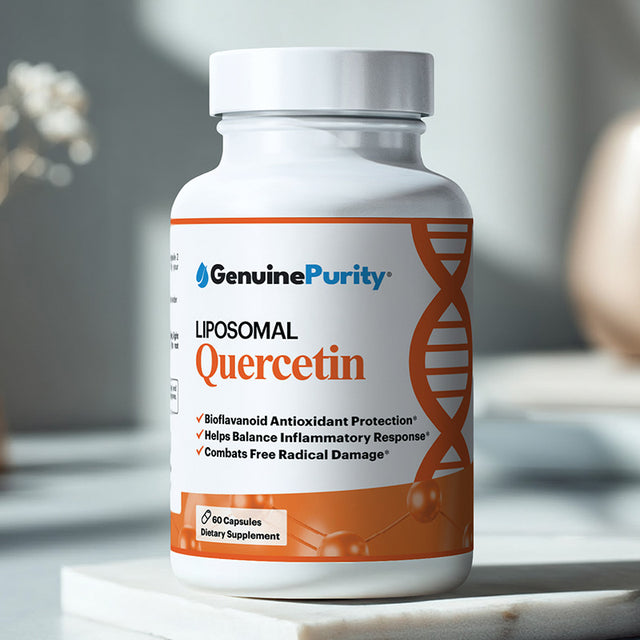
Quercetin, a flavonoid found in many fruits and vegetables, has gained attention for its antioxidant, anti-inflammatory, and immune-supporting properties. As the supplement market expands, two primary delivery formats dominate: traditional oral capsules and the newer liposomal encapsulation. While both aim to provide the same active compound, the way the body absorbs and utilizes quercetin can differ dramatically. Understanding these differences is essential for anyone seeking the most effective supplementation strategy.
Understanding the Basics: Regular Capsules vs. Liposomal Formulations
Traditional Quercetin Capsules
- Formulation: Powdered quercetin mixed with fillers and compressed into a gelatin or vegetarian capsule.
- Absorption Pathway: Relies on dissolution in the stomach, followed by absorption in the small intestine.
- Bioavailability: Generally low; studies report oral bioavailability ranging from 2% to 20% due to poor water solubility and rapid metabolism.
- Stability: Sensitive to light, heat, and pH changes, which can degrade the active ingredient before it reaches the bloodstream.
Liposomal Quercetin
- Formulation: Quercetin is encapsulated within phospholipid vesicles (liposomes) that mimic cell membranes.
- Absorption Pathway: Liposomes fuse with intestinal cells, delivering quercetin directly into the bloodstream and bypassing some metabolic barriers.
- Bioavailability: Reported improvements of 3- to 10-fold compared with standard capsules, depending on the specific liposomal technology used.
- Stability: The phospholipid coating protects quercetin from degradation, extending shelf life and maintaining potency.
Key Factors Influencing Effectiveness
- Particle Size: Liposomal vesicles are typically nano-sized (20-200″?nm), enhancing mucosal penetration.
- Solubility: Liposomes increase the aqueous solubility of quercetin, a notoriously fat-soluble molecule.
- First-Pass Metabolism: Liposomal delivery can reduce hepatic metabolism, allowing more active compound to circulate.
- Dosing Consistency: Encapsulation ensures a more uniform dose per serving, whereas traditional capsules may vary due to powder settling.
Clinical Insights and Research Findings
Recent peer-reviewed studies have compared the pharmacokinetics of liposomal versus conventional quercetin. In one crossover trial, participants receiving a liposomal dose exhibited a peak plasma concentration (Cmax) that was approximately 4 times higher than those taking standard capsules, with a prolonged half-life. These results suggest that liposomal quercetin may achieve therapeutic levels more reliably, especially for conditions that require sustained antioxidant support.
Practical Considerations for Consumers
Cost and Accessibility
Liposomal products typically command a premium price due to the advanced manufacturing process. However, the increased efficacy may offset the higher cost for individuals who need consistent dosing or who have experienced limited results with regular capsules.
Storage and Shelf Life
- Both formats should be stored in a cool, dry place away from direct sunlight.
- Liposomal formulations often include additional antioxidants in the packaging to preserve vesicle integrity.
Choosing the Right Product
When evaluating options, consider the following checklist:
- Transparency of ingredient sourcing and manufacturing practices.
- Third-party testing results confirming potency and purity.
- Customer reviews highlighting real-world effectiveness.
- Availability of detailed product information, such as the exact liposomal technology used.
For those seeking a deeper dive into formulation science and how it translates to health outcomes, Discover expert strategies here provides a comprehensive overview of the technology behind high-performance quercetin supplements.
Potential Use Cases: When Liposomal Might Be Preferable
- Athletic Performance: Faster recovery and reduced oxidative stress during intense training.
- Immune Support: More reliable plasma levels during periods of heightened susceptibility to infection.
- Chronic Inflammation: Consistent dosing may better modulate inflammatory pathways.
- Age-Related Oxidative Damage: Enhanced delivery supports cellular protection over time.
Conclusion: Which Form Wins the Effectiveness Race?
Both regular quercetin capsules and liposomal versions deliver the same active flavonoid, but the delivery mechanism dramatically influences how much of that compound actually reaches systemic circulation. Liposomal quercetin consistently demonstrates superior bioavailability, stability, and dosing precision, making it the more effective choice for individuals who require reliable, high-level antioxidant support. However, budget constraints and personal preference may still make traditional capsules a viable option for occasional or supplemental use.
For a balanced perspective that weighs scientific evidence against practical considerations, Learn about our tailored solutions offers additional guidance on selecting the formulation that aligns with specific health goals.
Ultimately, the decision should reflect one’s health objectives, financial comfort, and confidence in the product’s manufacturing integrity. By staying informed and choosing a product backed by rigorous testing, consumers can maximize the benefits of quercetin, whether in a capsule or a cutting-edge liposomal delivery system.
For further reading on advanced supplementation techniques, Explore advanced guides and tips and Find out more about this approach to make an evidence-based choice.
