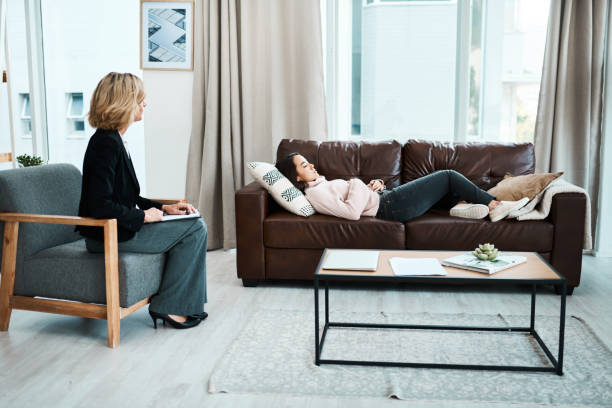
In the modern world, anxiety has become a common issue affecting millions of people globally. It manifests in various forms, ranging from mild discomfort to severe panic attacks. Addressing anxiety effectively requires a multifaceted approach, and one promising avenue is hypnotherapy. Hypnotherapy, a form of guided hypnosis, involves relaxation, focused attention, and increased suggestibility. This therapeutic technique can help individuals manage their anxiety by accessing the subconscious mind to alter perceptions and behaviors. This article explores effective hypnotherapy techniques for anxiety relief, providing insights into how they work and how they could potentially benefit those in need.
Understanding Hypnotherapy for Anxiety
Hypnotherapy is a process that utilizes the power of suggestion to encourage positive change. For those suffering from anxiety, it can be an effective tool in managing symptoms and improving mental well-being. By addressing the root causes of anxiety, hypnotherapy assists in creating new thought patterns.
- Hypnotherapy for anxiety helps individuals access their subconscious mind, allowing for deeper self-awareness and understanding.
- It encourages relaxation and stress relief, which are essential in managing anxiety symptoms.
- Through guided visualization, individuals can overcome fears and phobias contributing to their anxiety.
Key Techniques in Hypnotherapy for Anxiety Relief
1. Progressive Relaxation
Progressive relaxation is a foundational technique in hypnotherapy. It involves guiding the individual into a state of deep relaxation, which can help alleviate anxiety symptoms. This process includes:
- Relaxing each muscle group in the body progressively, starting from the toes and moving upwards.
- Using deep breathing exercises to enhance relaxation and reduce tension.
- Encouraging visualization of a peaceful place to enhance the sense of calmness.
2. Cognitive Behavioral Hypnotherapy
This technique combines traditional Cognitive Behavioral Therapy (CBT) with hypnotherapy to address the cognitive aspects of anxiety. It aims to modify negative thought patterns and behaviors associated with anxiety. Key elements include:
- Identifying and challenging irrational beliefs that contribute to anxiety.
- Reframing negative thoughts into positive affirmations.
- Using hypnosis to reinforce new, healthier cognitive patterns.
3. Visualization and Imagery
Visualization techniques involve creating a mental image of a desired future state, free of anxiety. This method helps individuals:
- Visualize overcoming specific anxieties or fears.
- Build self-confidence and a positive outlook.
- Strengthen coping mechanisms for anxiety-inducing situations.
Benefits of Hypnotherapy for Anxiety
Hypnotherapy provides various benefits for those struggling with anxiety. These benefits include:
- Non-invasive and drug-free approach to managing anxiety symptoms.
- Empowers individuals by enhancing self-awareness and control over their thoughts.
- Promotes long-term mental health improvements by addressing underlying issues.
Considerations Before Choosing Hypnotherapy
Before opting for hypnotherapy, it is essential to consider certain factors:
- Consult with a qualified healthcare professional to determine if hypnotherapy is suitable for your specific anxiety condition.
- Ensure the hypnotherapist is certified and experienced in treating anxiety.
- Understand that results may vary and a combination of therapeutic approaches might be necessary for optimal outcomes.
Hypnotherapy can serve as a valuable tool in the fight against anxiety. By incorporating techniques such as progressive relaxation, cognitive behavioral hypnotherapy, and visualization, individuals can experience significant relief from their symptoms. However, it is crucial to approach hypnotherapy with an open mind and under the guidance of a qualified professional. For those interested, exploring hypnotherapy for anxiety may offer a path to a more peaceful and anxiety-free life.
