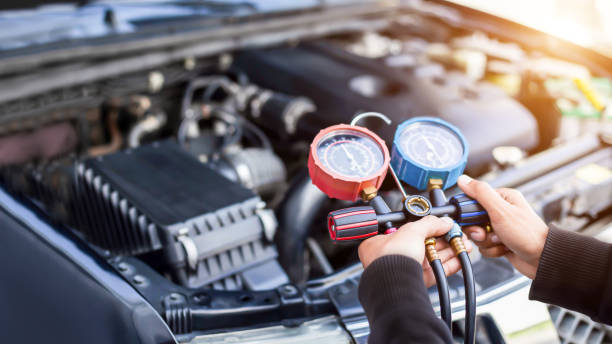
In the realm of automotive engineering, optimizing vehicle performance is paramount. A critical component in achieving this is the car engine cooling system. This system is essential for maintaining the engine’s optimal operating temperature, thereby ensuring both efficiency and longevity. An effective cooling system can prevent overheating, which is a leading cause of engine failure, and helps in sustaining the engine’s power output. Understanding the importance of quality car engine cooling components is vital for those looking to maximize their vehicle’s performance and lifespan.
Understanding Car Engine Cooling Systems
The engine cooling system’s primary function is to remove excess heat from the engine. This system relies on various components working in harmony to dissipate heat effectively. The key components include:
- Radiator: Acts as the central hub for heat exchange. It transfers heat from the coolant to the air.
- Water Pump: Circulates coolant throughout the engine to ensure consistent temperature control.
- Thermostat: Regulates coolant flow based on engine temperature, maintaining optimal operating conditions.
- Cooling Fan: Assists in drawing air through the radiator, especially when the vehicle is stationary or moving slowly.
Each component’s quality and functionality are crucial for the overall efficiency of the cooling system. Investing in high-quality car engine cooling parts can lead to significant improvements in vehicle performance.
The Impact of Quality Cooling Components on Performance
Quality cooling components ensure that the engine operates at its optimal temperature, which has direct and indirect benefits:
Enhanced Engine Efficiency
Maintaining the correct temperature allows the engine to operate more efficiently. This can lead to:
- Improved fuel economy by reducing unnecessary fuel consumption.
- Increased power output, as the engine can perform optimally without the risk of overheating.
Increased Engine Longevity
Overheating is a major factor in engine wear and tear. By ensuring efficient heat dissipation, quality cooling components can:
- Reduce thermal stress on engine parts, preventing premature failure.
- Extend the overall lifespan of the engine by maintaining consistent operating conditions.
Selecting the Right Components
When selecting cooling components, consider the following factors to ensure they meet the vehicle’s requirements:
- Compatibility: Components must be compatible with the specific make and model of the vehicle for optimal performance.
- Material Quality: High-quality materials, such as aluminum radiators, provide better heat dissipation and durability.
- Brand Reputation: Choosing components from reputable manufacturers can ensure reliability and performance.
Investing in reliable car engine cooling parts can be a worthwhile investment in the long-term health and performance of a vehicle.
Maintaining the Cooling System
Regular maintenance of the cooling system is essential to preserve its efficiency. Consider these tips:
- Regularly check coolant levels and top off as needed to prevent overheating.
- Inspect hoses and connections for leaks or wear and replace them as necessary.
- Ensure the radiator and cooling fan are free from obstructions that could impede airflow.
Consistent maintenance not only enhances performance but also prevents costly repairs down the line.
In conclusion, understanding and prioritizing quality in car engine cooling components can have a substantial impact on a vehicle’s performance and longevity. By selecting the right parts and maintaining the system diligently, drivers can enjoy enhanced efficiency and reliability from their vehicles.
