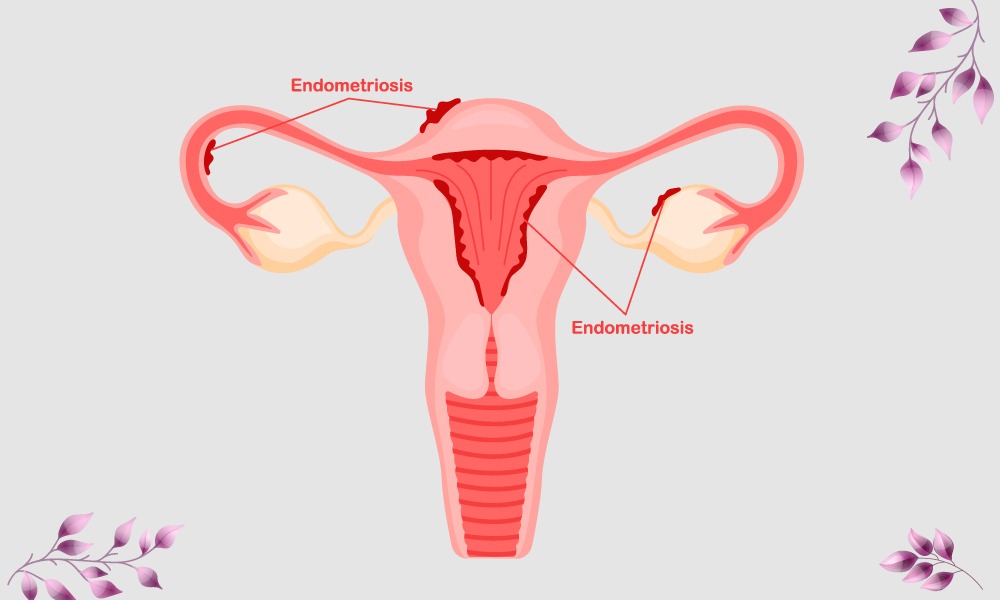
Endometriosis is a chronic and often painful disorder in which tissue similar to the lining inside the uterus grows outside the uterus. This condition affects millions of women worldwide, yet its exact cause remains unclear. Understanding the root causes of endometriosis is crucial for developing effective treatments and improving the quality of life for those affected. This article explores the potential causes and contributing factors of endometriosis, shedding light on this complex condition.
Genetic Factors
Research indicates that genetic predisposition may play a significant role in the development of endometriosis. Studies have shown that:
- Women with a first-degree relative affected by endometriosis are more likely to develop the condition themselves.
- Specific gene mutations and variations are more prevalent in women with endometriosis.
- Hormonal imbalances related to genetic factors may exacerbate symptoms.
Retrograde Menstruation
Retrograde menstruation occurs when menstrual blood flows backwards through the fallopian tubes into the pelvic cavity instead of leaving the body. This backward flow allows endometrial cells to implant and grow outside the uterus, potentially leading to endometriosis. While retrograde menstruation happens to most women, only a fraction develop endometriosis, suggesting other factors are at play.
Immune System Dysfunction
An impaired immune system may fail to recognize and destroy endometrial-like tissue outside the uterus. This dysfunction allows the tissue to grow and cause inflammation. Key points include:
- The immune system’s ability to clear misplaced endometrial cells is compromised in individuals with endometriosis.
- Inflammatory responses may be heightened, contributing to pain and scar tissue formation.
- Research is ongoing to determine the extent of immune involvement in endometriosis.
Environmental Factors
Environmental factors are increasingly being considered as potential contributors to endometriosis. They include:
- Exposure to endocrine-disrupting chemicals, such as dioxins and polychlorinated biphenyls (PCBs), which may affect hormonal balance.
- Lifestyle factors, including diet and stress levels, which can impact overall health and potentially influence the development of endometriosis.
The Role of Estrogen
Estrogen, a hormone critical to female reproductive health, plays a pivotal role in the pathogenesis of endometriosis. Elevated levels of estrogen can:
- Stimulate the growth of endometrial tissue outside the uterus.
- Contribute to inflammation and pain associated with endometriosis.
- Lead to hormonal imbalances that exacerbate the condition.
Conclusion
Understanding the root causes of endometriosis is a multifaceted challenge involving genetic, environmental, and immunological factors. Continued research into the causes of endometriosis is essential for developing targeted therapies and improving outcomes for those affected. Awareness and education on this topic are crucial steps towards better management and potentially, prevention, of this complex condition.
